Rapport: Exportrestriktioner riskerar att förvärra livsmedelskriser
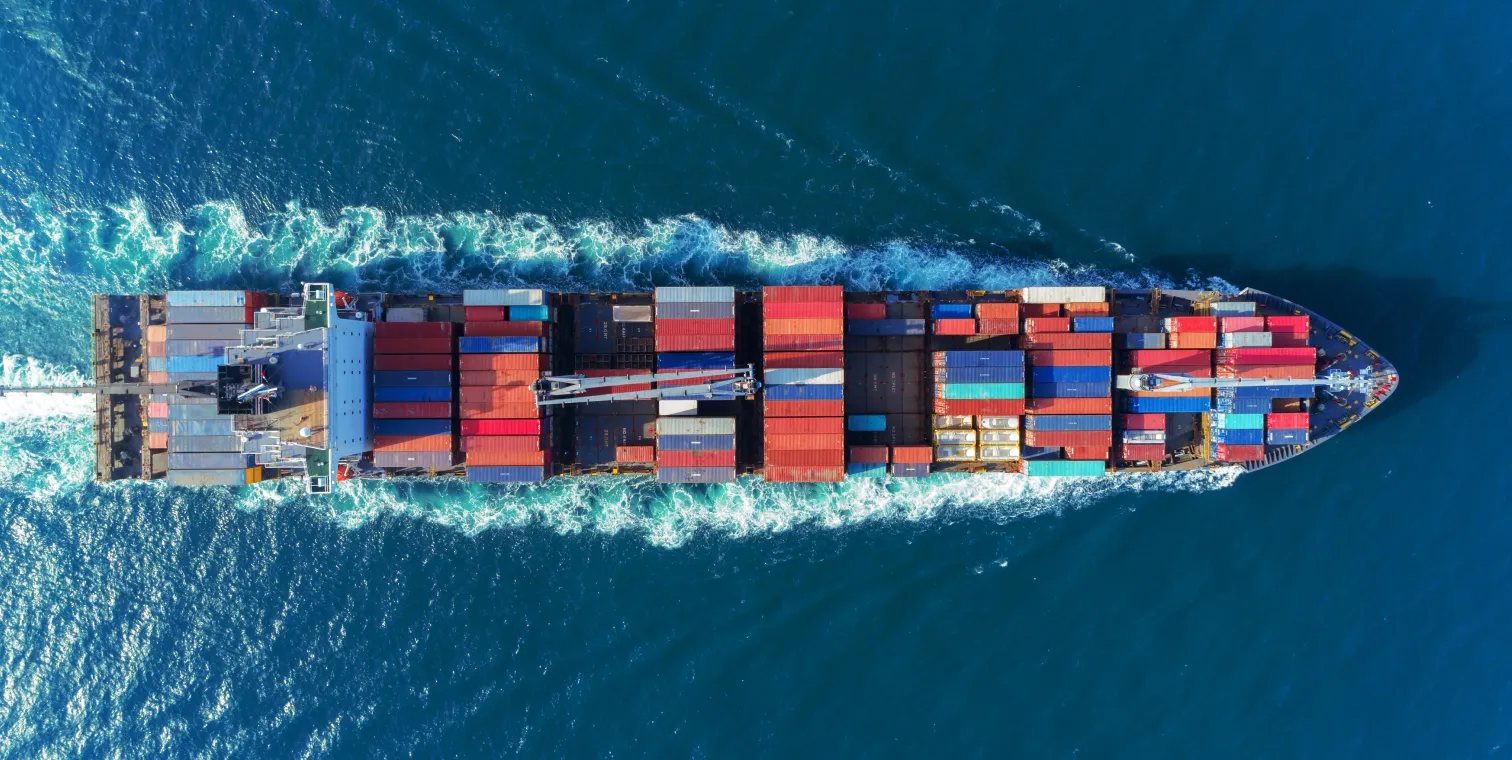
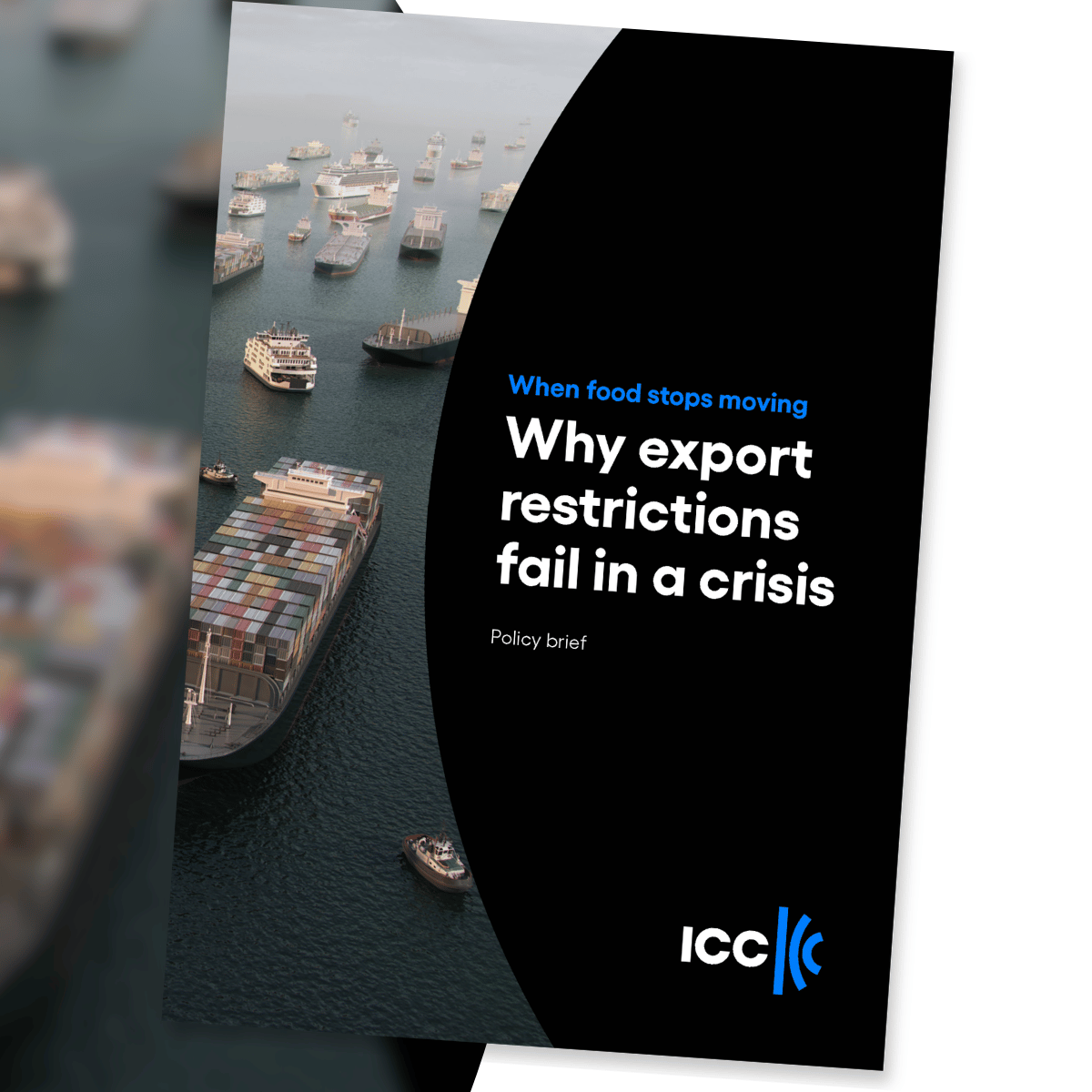
The disruption of shipping through the Strait of Hormuz in 2026 has exposed the vulnerability of global fertiliser and food supply chains to geopolitical shocks, with energy and petrochemical feedstock disruptions adding further cost pressure on agricultural input supply chains. As fertiliser prices have risen and markets tightened, a growing number of governments have responded with export restrictions on fertilisers and other critical agricultural inputs. While often presented as emergency measures to protect domestic markets, experience suggests that such restrictions frequently worsen the very problems they are intended to solve. Evidence from the 2007-08 and 2022 food crises shows that export restrictions can amplify supply disruptions, contribute to global shortages and intensify price spikes. Similar risks can arise where restrictions affect other critical agricultural inputs, including crop protection products which face similar upstream feedstock pressures, with consequences for agricultural productivity and food security. Rather than improving food security, they increase uncertainty, disrupt supply chains and encourage similar actions by other governments, amplifying market instability. The costs extend beyond importing countries. Export restrictions can reduce returns for domestic producers, weaken investment incentives, disrupt contracts and trade finance and erode a country’s reputation as a reliable
supplier. These economic and commercial impacts are often overlooked despite their long-term consequences for growth, competitiveness and resilience. Governments should therefore treat export restrictions as measures of last resort and ensure that any use is transparent, targeted and time-limited. Strengthening World Trade Organization (WTO) disciplines, expanding transparency requirements to fertilisers and other critical agricultural inputs, improving market information systems and safeguarding the flow of food and agricultural trade are essential to preventing future crises from becoming more severe. The Strait of Hormuz crisis provides an important opportunity to apply the lessons of previous food security shocks before a broader policy cascade takes hold.
Text Link